



November 04, 2025
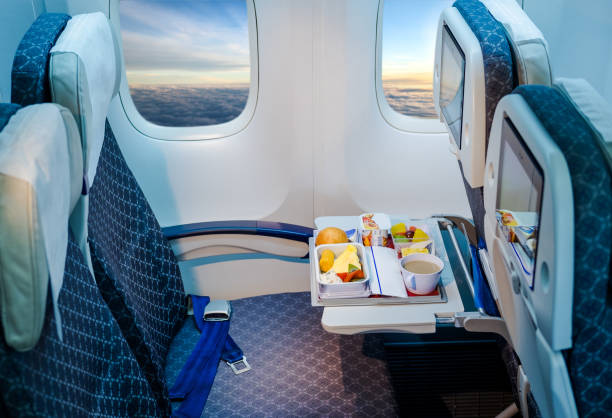
The ancient Japanese tradition of oshibori towels has evolved into a cornerstone of modern airline hospitality, transforming passenger comfort standards across the global aviation industry. These refreshing wet towels, originally used in traditional tea ceremonies, now represent a premium touch that airlines use to distinguish their service quality and create memorable first impressions for travelers. The integration of oshibori service into airline operations reflects the industry's commitment to enhancing passenger experience through thoughtful cultural traditions that transcend geographical boundaries.
Modern airline oshibori programs have expanded beyond simple refreshment to become sophisticated branding opportunities that reinforce carrier identity and service excellence. Airlines customize towel packaging, scents, and presentation methods to create unique sensory experiences that passengers associate with their brand values and service quality. Oshibori towels production has adapted to meet strict aviation standards while maintaining the authentic hospitality essence that makes this service so appreciated by international travelers.
Premium Materials Enhance Passenger Comfort
Contemporary oshibori manufacturing utilizes 100% cotton materials that provide superior absorbency and softness compared to synthetic alternatives commonly used in standard wet wipes. The natural fiber composition ensures environmental compatibility while delivering the luxurious tactile experience that passengers expect from premium airline services. French manufacturers have emerged as leaders in aviation oshibori production, following ISO 22716 cosmetic standards to ensure product safety and quality consistency across different climate conditions and storage requirements.
Airlines are increasingly investing in personalized scenting options that create distinctive olfactory signatures associated with their brand identity and route characteristics. Cosmetic engineers now oversee oshibori formulation to ensure optimal skin compatibility and fragrance longevity, treating these products as genuine cosmetic items rather than simple cleaning utilities. The ability to customize scent profiles enables airlines to create regionally appropriate offerings that respect cultural preferences while maintaining brand consistency across their global networks.
Sustainable Production Meets Aviation Standards
Environmental sustainability has become a primary driver in oshibori development, with manufacturers focusing on biodegradable materials and reduced packaging waste to align with airline carbon reduction commitments. The production capacity of leading facilities now reaches 200,000 units daily, enabling airlines to implement oshibori service across extensive route networks while maintaining consistent quality standards. This scaling capability supports the industry's recovery from pandemic impacts and growing passenger volume expectations for enhanced hygiene and comfort measures.
Airlines are adopting closed-loop oshibori programs that minimize waste through reusable presentation systems and centralized laundry facilities for cotton towel components. The reuse approach significantly reduces plastic consumption compared to disposable alternatives while providing cost advantages for high-frequency routes and premium cabin services. European carriers have pioneered these sustainable approaches, demonstrating that environmental responsibility can enhance rather than compromise passenger service quality.
Cultural Integration Enhances Global Appeal
The successful adaptation of Japanese oshibori traditions into diverse cultural contexts demonstrates the universal appeal of thoughtful hospitality gestures in creating positive passenger experiences. Airlines serving Asian routes have developed specialized presentation methods that honor traditional customs while meeting modern hygiene and efficiency requirements for commercial aviation operations. The cultural authenticity of oshibori service creates opportunities for airlines to demonstrate respect for passenger heritage and international customs.
Training programs now educate cabin crew on proper oshibori presentation techniques that maximize passenger appreciation while maintaining operational efficiency during critical boarding and meal service periods. The timing and manner of oshibori distribution have been optimized based on passenger feedback and cultural research to ensure maximum impact on overall journey satisfaction. Airlines report that passengers frequently cite oshibori service as a distinguishing factor when selecting carriers for future travel, demonstrating the lasting impression created by this relatively simple hospitality gesture.
Technology Integration Optimizes Service Delivery
Advanced packaging technologies now enable extended shelf life and improved hygiene standards for airline oshibori products, addressing industry concerns about food safety and passenger health protection. Temperature-controlled storage systems maintain optimal moisture levels and prevent bacterial growth during extended storage periods required for international route operations. These technological improvements ensure consistent quality regardless of flight duration or destination climate conditions.
Digital inventory management systems help airlines optimize oshibori distribution based on passenger load factors, route characteristics, and seasonal demand patterns to minimize waste while ensuring adequate supply for premium service delivery. The integration of sustainability metrics into procurement decisions enables carriers to track environmental impact reduction achieved through oshibori program optimization. Data analytics support continuous improvement in service timing, passenger preference accommodation, and operational efficiency enhancement across diverse route networks and aircraft configurations.
Future Developments in Airline Oshibori Services
Innovation in oshibori technology focuses on enhanced antimicrobial properties and extended freshness retention to meet evolving passenger health and safety expectations in post-pandemic travel environments. Manufacturers are developing new formulations that provide additional skincare benefits while maintaining the refreshing qualities that define traditional oshibori experiences. These advances position oshibori as a wellness enhancement rather than merely a cleaning convenience for modern travelers.
The expansion of oshibori services into economy class cabins reflects growing passenger expectations for premium touches throughout all service levels, driving airlines to optimize cost structures while maintaining service quality standards. Partnerships between airlines and specialized manufacturers are accelerating development of innovative presentation methods that enhance passenger experience while supporting operational efficiency and environmental sustainability goals. The future of airline oshibori services lies in balancing authentic hospitality traditions with modern technology and sustainability requirements to create memorable passenger experiences that drive brand loyalty and industry differentiation.
Posted by: TiaiMcgee at
04:59 AM
| No Comments
| Add Comment
Post contains 889 words, total size 8 kb.
35 queries taking 0.0631 seconds, 70 records returned.
Powered by Minx 1.1.6c-pink.

