



November 01, 2026
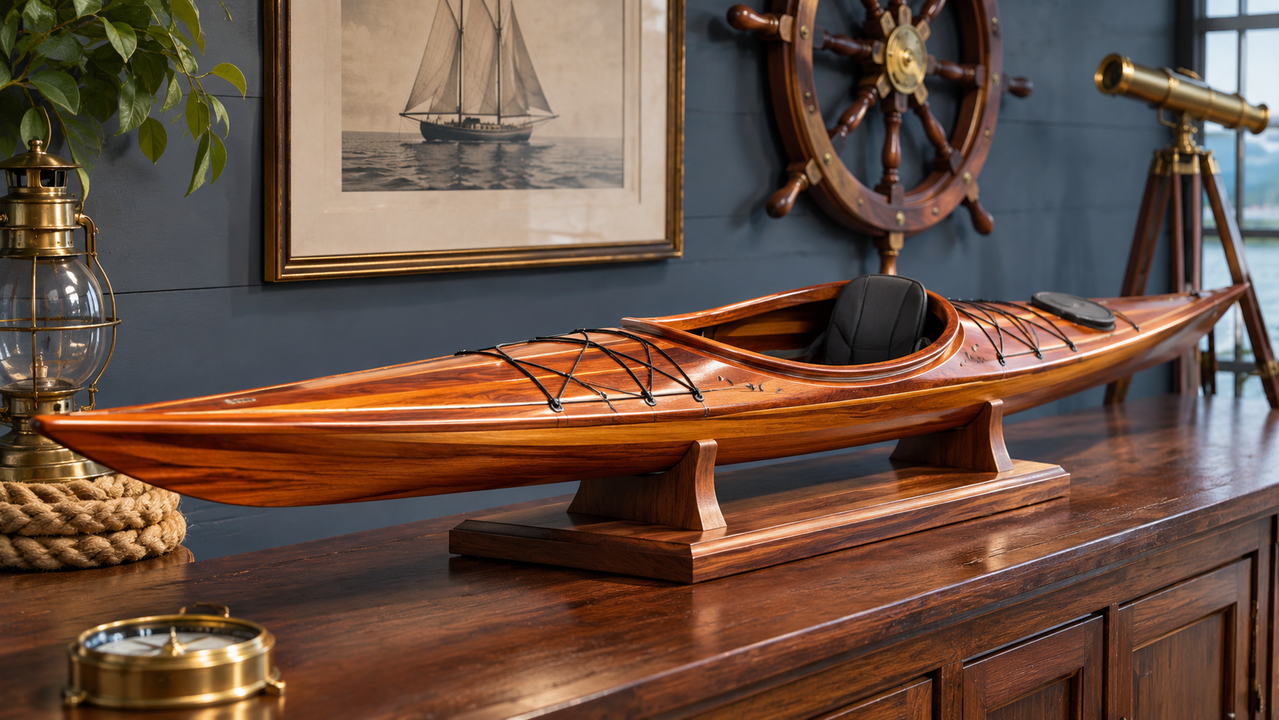
Selecting the perfect handcrafted wooden models for home and office decoration involves more than just picking an attractive piece. It requires a thoughtful approach that balances aesthetics, craftsmanship, and personal taste to enrich your environment. This guide explores essential principles and expert insights to help you make informed choices that enhance your living and working spaces.
Handcrafted wooden models bring warmth, character, and a touch of artistry to any setting. They serve as conversation starters and reflect your appreciation for fine workmanship and design. Whether you are a beginner or looking to refine your selection skills, this masterclass will equip you with progressive strategies to identify and select the ideal wooden models.
From understanding wood types to appreciating intricate detailing, this article unfolds in a clear, step-by-step manner. By mastering these essentials, you will confidently choose handcrafted wooden models that resonate with your style and purpose.
How to Choose Handcrafted Wooden Models for Home and Office Decoration?
Assessing Your Space and Style Requirements
Before acquiring any handcrafted wooden model, analyze the area where it will be displayed. Consider the room’s color palette, lighting, and existing decor to ensure the piece complements rather than clashes. For offices, subtle designs that inspire professionalism and calm are preferable, while homes may allow for more expressive and thematic models.
Identifying your style preference plays a crucial role in selection. Whether you favor rustic, vintage, minimalist, or nautical themes, your choice should align with your taste to create a cohesive ambiance. This upfront clarity prevents impulsive purchases that may not suit your environment.
Models designed to fit specific spaces, like shelves or desks, should have dimensions that harmonize with their surroundings. Avoid oversized models in compact areas as they can overwhelm the room, while too small pieces may get lost in expansive spaces.
Evaluating Wood Quality and Craftsmanship
High-quality wood forms the backbone of durable and aesthetically pleasing handcrafted models. Look for hardwoods such as teak, mahogany, or walnut, known for their strength and natural grain patterns. These woods age gracefully and often develop a patina that adds to their charm over time.
Examine the craftsmanship closely; smooth finishes, precise joints, and detailed carvings indicate skilled artisanship. Models with intricate details require careful handiwork, which elevates their value and visual appeal. Neglecting craftsmanship can result in fragile pieces that deteriorate quickly.
For collectors and enthusiasts, sourcing from artisans who maintain traditional methods ensures authenticity. You may find that models from dedicated studios or specialized workshops, such as model shipways, offer superior quality and unique designs.
Materials and Design Elements That Enhance Wooden Models
Choosing the Right Type of Wood for Your Decor
The type of wood used influences not just the look but also the longevity of the model. Light woods like pine and maple provide a soft, casual feel, while darker woods convey elegance and formality. Your choice should resonate with the mood you want to establish in your space.
Some handcrafted wooden models incorporate mixed materials such as metal accents or glass to add contrast and sophistication. These combinations can amplify the model’s visual interest and adaptability in diverse interiors. However, ensure these materials are securely integrated to maintain durability.
Finishes like natural oil, lacquer, or wax not only protect the wood but also enhance its texture and color. When selecting a model, consider if the finish aligns with your desired maintenance level and aesthetic preferences.
Incorporating Thematic and Functional Designs
The design theme of a wooden model should reflect your personal interests or complement your professional image. Nautical themes, for instance, are popular for offices, symbolizing adventure and leadership. For such choices, exploring specialty pieces such as cruise ship models can add authenticity and depth.
Functional wooden models, like pen holders or small storage boxes, offer both utility and decoration. Their practicality makes them ideal for office settings where space optimization matters. Selecting models with multifunctional designs enhances their value beyond mere aesthetics.
Customization options allow you to tailor models to specific themes or sizes, enhancing their uniqueness. Collaborating with artisans to create bespoke pieces ensures the model perfectly fits your decor intentions.
Preserving and Displaying Your Wooden Models
Optimal Placement and Care Practices
Proper placement of handcrafted wooden models maximizes their visual impact and preserves their condition. Avoid direct sunlight or humid areas that can warp or fade the wood. Position models where they can be appreciated easily but are safe from accidental damage. For those exploring practical options, utilizing trusted model shipways specialists provides reliable support.
Regular dusting with a soft cloth and occasional polishing using suitable wood care products maintain the model’s luster. Understanding the specific needs of different wood types prevents common issues like cracking or dullness. Maintaining a stable environment extends the lifespan of your models significantly.
Display stands or cases can protect delicate models from dust and physical harm. Incorporating lighting strategically highlights the craftsmanship and adds ambiance to your space.
Integrating into Interior Design Schemes
Handcrafted wooden models can act as focal points or subtle accents within your interior design. Positioning them near complementary decor elements, such as vintage books or artwork, enhances thematic coherence. The models’ textures add depth and warmth to otherwise sterile office or home environments.
Balancing scale and proportion is crucial when integrating wooden models with furniture. Larger models suit spacious rooms with minimalist furniture, while smaller, intricate models work well on cluttered desks or shelves. This balance ensures your decoration feels intentional and harmonious.
Seasonal rotation of displayed models can refresh your space, keeping the decor dynamic and engaging. This practice also protects the models by reducing constant exposure to environmental factors.
Advanced Insights into Authenticity and Investment Value
Identifying Authentic Handcrafted Pieces
Authenticity in handcrafted wooden models is discernible through provenance and artisan signature. Genuine pieces often come with certificates or documentation detailing the maker and fabrication process. This information adds credibility and often increases the model’s desirability.
Inspecting joinery techniques and tool marks can reveal whether a model was hand-carved or machine-produced. Handcrafted models show subtle irregularities that attest to human involvement, setting them apart from mass-produced items.
Engaging with reputable dealers or visiting artisan workshops enriches your understanding and confidence in purchasing authentic models. This direct connection also supports traditional craft communities.
Evaluating Models as Collectibles and Investments
Some handcrafted wooden models hold or increase their value over time, especially those linked to historical themes or renowned makers. Investing in such pieces requires knowledge of market trends and artisan reputations. Models inspired by naval architecture or maritime heritage often attract collectors.
Resources such as traditional boatbuilding archives provide valuable insights into design authenticity and craftsmanship standards. These references assist in identifying models with lasting appeal and investment potential.
Regular maintenance and proper display further protect your investment by preserving condition and appearance. Long-term collectors often document their acquisitions to track provenance and value appreciation.
Key Milestones for Long-Term Success in Selecting Wooden Models
Refining Your Selection Criteria Over Time
Mastery in choosing handcrafted wooden models develops through experience and continuous learning. Start by prioritizing basic quality factors such as wood type and craftsmanship. Over time, incorporate considerations like historical significance and artisan reputation.
Attending exhibitions, workshops, and artisan fairs expands your exposure to diverse styles and techniques. These milestones deepen your appreciation and sharpen your selection skills. Staying informed about market developments helps you adapt your criteria effectively.
Building relationships with artisans and dealers provides access to exclusive pieces and expert advice. These connections enrich your collecting journey and ensure you acquire models that truly resonate with your vision.
Enhancing Display and Maintenance Expertise
Advancing your knowledge of proper care and display techniques ensures that your wooden models remain pristine. Experiment with different lighting setups and placements to discover what best showcases each piece. This ongoing refinement elevates the overall impact of your collection.
Learning about wood preservation and restoration techniques equips you to handle minor repairs or conservation needs. Such skills protect your investment and prolong the life of your models. Joining enthusiast groups or forums offers a platform to exchange tips and experiences.
Documenting your collection with photographs and notes creates a personal archive that supports future decisions. This practice also aids in insurance and appraisal processes, securing your passion for the long term.
Embracing Personal Expression and Legacy
Your selection of handcrafted wooden models ultimately reflects your aesthetic sensibility and values. As your expertise grows, so does the ability to express individuality through carefully curated pieces. This personal narrative enriches both your space and your connection to the craft.
Sharing your collection with others, whether through display or storytelling, passes on appreciation for traditional craftsmanship. Your choices contribute to preserving cultural heritage and inspiring future generations. Thoughtful acquisition and care create a lasting legacy beyond mere decoration.
In conclusion, how to choose handcrafted wooden models for home and office decoration is a journey of discovery and refinement. By following a structured approach from foundational principles to advanced practices, you ensure that each model you select offers beauty, meaning, and enduring value.
Captain Heritage
1500 S.Milliken Ave, Ste. G
, Ontario, Califonia 91761, USA
Phone: (909) 598 2525
Email: sales@captainheritage.com
Map: https://maps.app.goo.gl/MfJ1E3Rhdgp52BEE9
Posted by: TiaiMcgee at
06:31 AM
| No Comments
| Add Comment
Post contains 1527 words, total size 13 kb.
32 queries taking 0.0321 seconds, 68 records returned.
Powered by Minx 1.1.6c-pink.

