



October 04, 2026
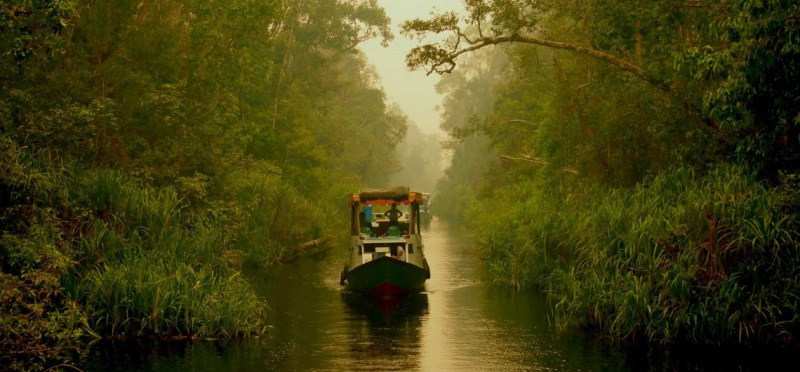
The Sekonyer River is the lifeblood of the Tanjung Puting National Park experience, intricately guiding every aspect of the journey through this renowned Indonesian rainforest. Traveling along this winding waterway is not simply a means of transit but a dynamic interaction with the environment that defines the entire expedition. This article examines how the Sekonyer River shapes a Tanjung Puting journey by influencing transportation, wildlife encounters, conservation efforts, and visitor engagement.
For travelers seeking to explore the remote wilderness of Central Kalimantan, the river is an essential artery that connects them to the heart of the park's diverse ecosystem. From the movement of traditional Klotok houseboats to the habitats of orangutans and other wildlife, the Sekonyer River’s role is multifaceted and crucial. An analytical breakdown of these elements provides insight into how the river impacts and enriches the experience of Tanjung Puting visitors.
Navigation and Transport: The River as a Natural Highway
The Role of the Sekonyer River in Accessing Tanjung Puting
The Sekonyer River serves as the primary route for visitors entering Tanjung Puting National Park, shaping the logistical framework of the journey. Unlike many other wildlife reserves accessible by roads or trails, this region relies heavily on river transport due to its dense tropical rainforest and peat swamp forest terrain. The river's navigability dictates the timing, duration, and style of travel, often involving slow-moving Klotok houseboats designed to navigate its meandering bends.
These wooden houseboats offer a unique vantage point for visitors, providing a seamless blend of transportation and accommodation on the river itself. The slow pace encourages observation and immersion, allowing travelers to absorb the natural surroundings as the journey progresses. The Sekonyer River’s flow and seasonal water levels also influence travel schedules, requiring careful planning to maximize accessibility.
Challenges and Benefits of Riverine Travel
While the Sekonyer River facilitates access, it also presents challenges such as fluctuating water levels during dry and rainy seasons, which can affect boat navigation. Shallow sections may require detours or delays, impacting the overall itinerary. However, these conditions also contribute to the river’s dynamic ecology, supporting a variety of aquatic and terrestrial species that enrich the journey’s appeal.
The benefits of river travel on the Sekonyer include minimal environmental disruption compared to road construction and the opportunity for intimate wildlife viewing. This mode of transport supports sustainable tourism by limiting the ecological footprint while enhancing the visitor’s connection with the landscape. As a natural highway, the river shapes not only the physical path but also the quality of interaction between humans and nature.
How the Sekonyer River Shapes a Tanjung Puting Journey: Wildlife Encounters Along the Waterway
Orangutan Habitats and River Proximity
Orangutans are among the most iconic inhabitants of Tanjung Puting, with their habitats often clustered near the Sekonyer River corridor. The river’s banks provide essential resources such as food, water, and travel routes for these great apes. Observing orangutans from boats or at feeding stations along the river enhances the likelihood of sightings and deepens understanding of their behavior and ecology.
The river’s presence influences the spatial distribution of these primates, as they tend to utilize the river fringes for foraging and movement. This proximity allows visitors on orangutan tour excursions to witness their natural activities without intrusive land-based approaches. The Sekonyer thus acts as a natural boundary and connector within the orangutan’s range.
Other Fauna Supported by the Riverine Environment
Beyond orangutans, the Sekonyer River supports a rich array of rainforest wildlife including proboscis monkeys, macaques, and various bird species. The waterway’s interface between aquatic and terrestrial habitats creates diverse ecological niches. River cruising offers an effective strategy for wildlife viewing by accessing areas that would be difficult to reach on foot.
The interplay between river and forest ecosystems also sustains populations of reptiles, amphibians, and fish, contributing to the overall biodiversity of Tanjung Puting. Wildlife conservation efforts benefit from this connectivity, as the river corridor facilitates natural movement and genetic exchange among species. The Sekonyer River is thus central to both the visitor’s experience and the park’s ecological integrity.
Visitors interested in an immersive orangutan tour will find the Sekonyer River an indispensable component of the adventure, as it provides the most effective access point for exploring the habitats of these remarkable primates. Browse around this website to discover an article source on orangutan tour in tanjung puting national park Borneo.
Ecological Influence: The River’s Role in Habitat and Forest Conservation
Maintaining the Peat Swamp Forest Ecosystem
The Sekonyer River plays a critical role in sustaining the peat swamp forests that characterize much of Tanjung Puting National Park. These forests depend on the river’s hydrology to regulate water tables and nutrient flows. Any alteration in the river’s dynamics can have significant impacts on forest health and resilience.
By preserving the natural flooding regimes and sediment transport, the river supports the growth of diverse plant species that form the foundation of the rainforest ecosystem. This, in turn, sustains the myriad animal species that rely on the forest for food and shelter. The river’s ecological functions are therefore integral to ongoing conservation initiatives.
Human Interactions and Conservation Challenges
Human activities such as illegal logging and gold mining have threatened the Sekonyer River’s water quality and surrounding habitats. These pressures complicate conservation efforts and highlight the river’s vulnerability. Enforcement actions and community engagement are necessary to mitigate these impacts and preserve the ecological balance.
The Tanjung Puting area exemplifies efforts to integrate sustainable tourism with wildlife conservation goals. Protecting the Sekonyer River from pollution and degradation directly supports these objectives by maintaining habitat quality and biodiversity. The river thus remains a focal point for both ecological health and responsible tourism development.
Cultural and Experiential Dimensions: How the Sekonyer River Shapes a Tanjung Puting Journey
The Klotok Houseboat Experience
Traveling aboard a Klotok houseboat is a culturally significant and immersive way to explore the Sekonyer River and Tanjung Puting. These boats are traditionally crafted and adapted for the river’s conditions, offering comfort while maintaining a close connection to the environment. The slow movement of the Klotok encourages contemplation and attentive wildlife observation.
This mode of transport also fosters social interactions among travelers and guides who share knowledge about the river’s ecology and cultural heritage. The houseboat journey becomes more than transit; it is an integral part of the narrative that defines the Tanjung Puting experience. The river’s physical presence shapes how visitors engage with the landscape and each other.
Jungle Trekking and River Access Points
While the Sekonyer River is the main thoroughfare, it also serves as a gateway to terrestrial excursions such as jungle trekking. Trails often begin at river access points, connecting aquatic and forest environments. This intersection expands the range of activities available to visitors and enriches their understanding of the park’s complexity.
Access to key sites like Camp Leakey and Pondok Tanggui depends on river travel, which sets the pace and rhythm for subsequent land-based exploration. The river’s route thus orchestrates the flow of the overall journey, influencing timing, direction, and spatial orientation. Its role is both practical and symbolic, underscoring the interconnectedness of water and forest in this region.
For example, travelers planning an orangutan tour will often combine river cruising with trekking to maximize wildlife viewing opportunities and engage more deeply with the park’s environment.
How the Sekonyer River Shapes a Tanjung Puting Journey: Evaluating the Long-Term Impact
Balancing Tourism and Environmental Preservation
The Sekonyer River’s centrality to Tanjung Puting tourism presents ongoing challenges in balancing visitor access with environmental preservation. While the river enables unique wildlife encounters and cultural experiences, increased boat traffic and human presence can lead to habitat disturbance. Sustainable management practices are essential to protect the river’s ecological functions and preserve the quality of the journey.
Efforts to regulate visitor numbers, enforce conservation policies, and educate tourists contribute to maintaining this balance. The river’s health is a direct indicator of the park’s overall ecological status, making its protection a priority for stakeholders. Analyzing this relationship underscores the importance of integrated approaches that consider both human enjoyment and environmental integrity.
Future Prospects for the Sekonyer River and Tanjung Puting
Looking ahead, the Sekonyer River will remain a defining feature of Tanjung Puting National Park, shaping how the area is accessed, experienced, and conserved. Advances in eco-friendly transportation and community-based conservation initiatives may enhance the sustainability of river journeys. Continued scientific research and monitoring of the river’s ecological conditions will support adaptive management.
Ultimately, the Sekonyer River’s influence extends beyond geography; it embodies the delicate balance between nature and human activity in one of Borneo’s most vital natural reserves. For visitors and conservationists alike, understanding how the Sekonyer River shapes a Tanjung Puting journey provides valuable insight into the complexities and opportunities of preserving this unique environment while fostering meaningful experiences.
Integrating knowledge about the river’s role with broader conservation strategies ensures that future generations can enjoy the rich biodiversity and cultural heritage that define this exceptional destination. Whether traveling on a traditional boat or trekking through the rainforest, the Sekonyer River remains the constant thread weaving together the Tanjung Puting narrative.
Engaging in an orangutan tour along the Sekonyer River offers a firsthand perspective on the challenges and successes of conservation in this dynamic landscape.
VARADA BORNEO
Orangutan Tour Operator & DMC
JL. Ahmad Yani RT.27 kel. Baru kec. Arut selatan, Pangkalan Bun. Central
Borneo -Indonesia
Mobile / Whatsapp : +62 8538 999 6660
varadaborneotour@gmail.com
Map: https://maps.app.goo.gl/dCAknVGoj1zbtkAg8
Posted by: TiaiMcgee at
11:39 AM
| No Comments
| Add Comment
Post contains 1575 words, total size 13 kb.
35 queries taking 0.0904 seconds, 71 records returned.
Powered by Minx 1.1.6c-pink.

